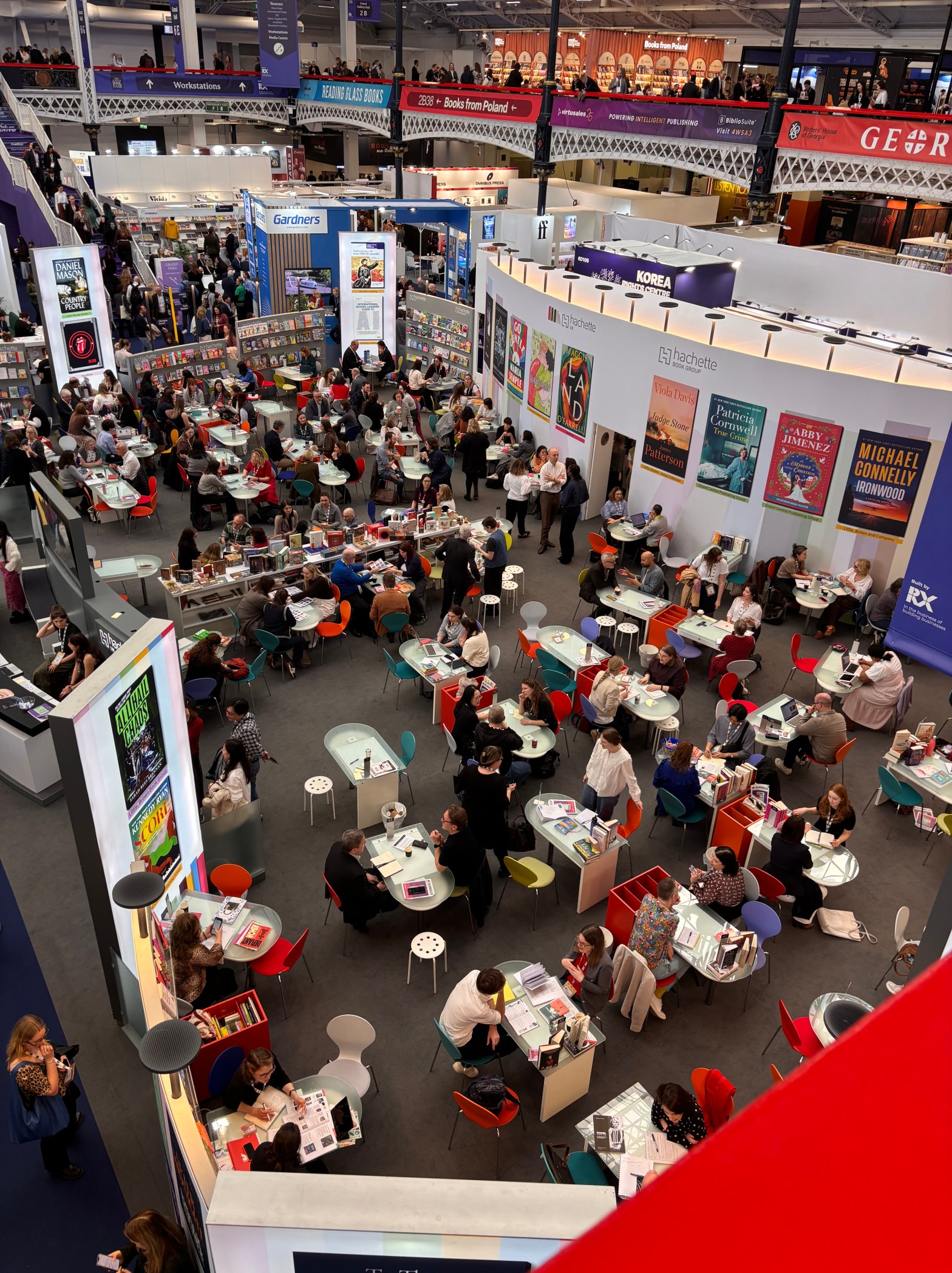
In the mayhem of the London Book Fair, one thing was clear. Human readers want books written by other humans, and they want to read them together. Publishers can now mark their works as Human Authored as part of a Society of Authors initiative. Mock-up books and a mock-up crime scene told generative AI companies,Continue reading “London Book Fair 2026 – human readers, unite!”
Category Archives: books
Write a year together
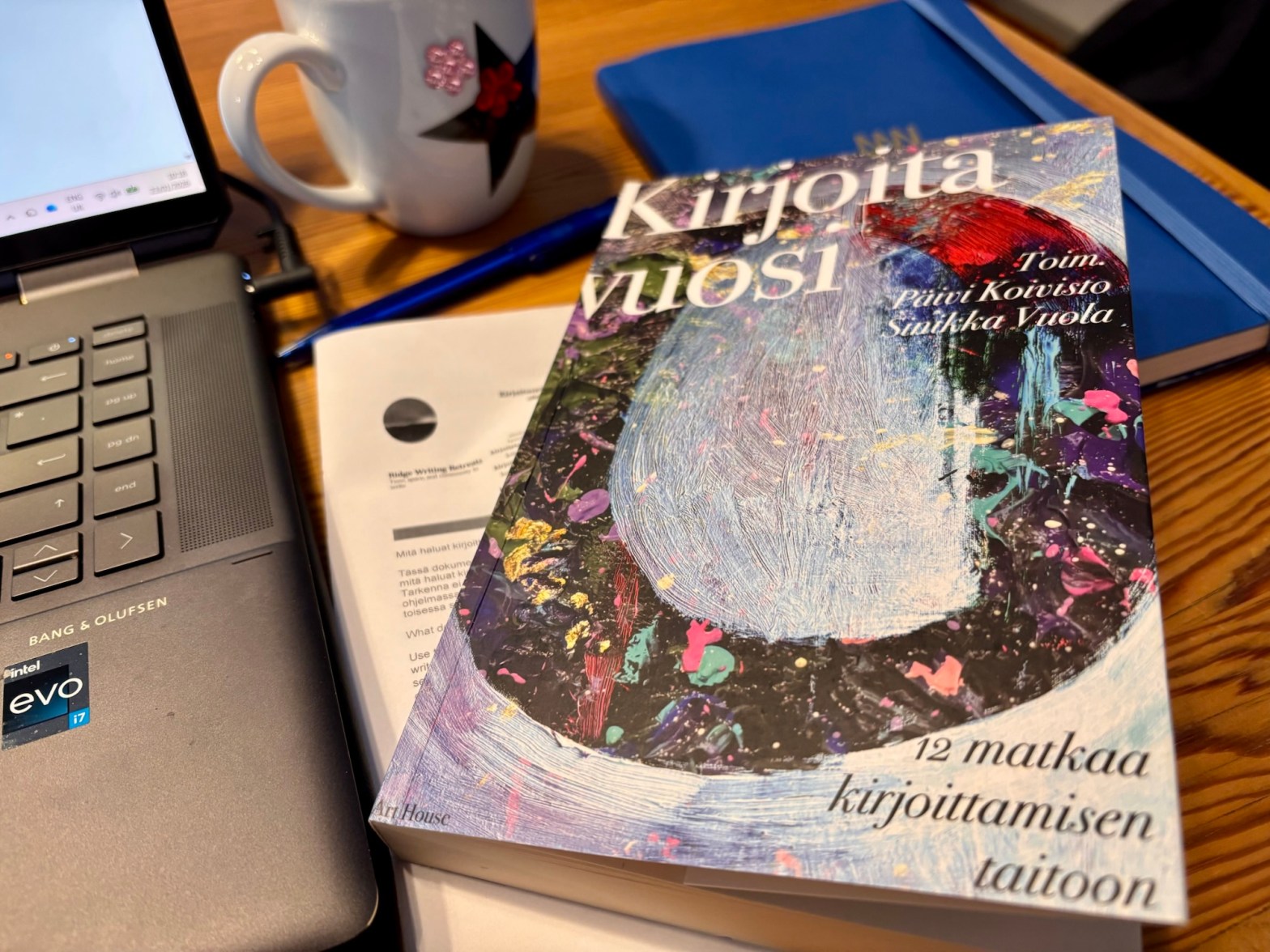
Kirjoita vuosi (“Write a year”, Art House 2025) edited by Sinikka Vuola and Päivi Koivisto, is an accessible guide for writers. If you’d like to extend the depth and range of your writing skills and want help to commit to writing regularly, this could be the book for you. It is like a writing courseContinue reading “Write a year together”
From Dissertation to Book

When I finally got my PhD, I thought I could relax and rest on my laurels for a moment. My grandfather thought otherwise. The first thing he said after congratulating me was: when are you going to publish the book? Sad to say, twenty years later, I never quite got round to turning that monographContinue reading “From Dissertation to Book”
Reading to challenge your writing

This summer holiday, I finished the Helsinki libraries reading challenge for 2025 (Helmet means “Helsinki metropolitan area” by the way, not a biker’s or knight’s headgear). At new year, I had decided to face my chronic TBR problem and stop buying new books until I had read some I already have. So I pulled themContinue reading “Reading to challenge your writing”
Women writing about walking
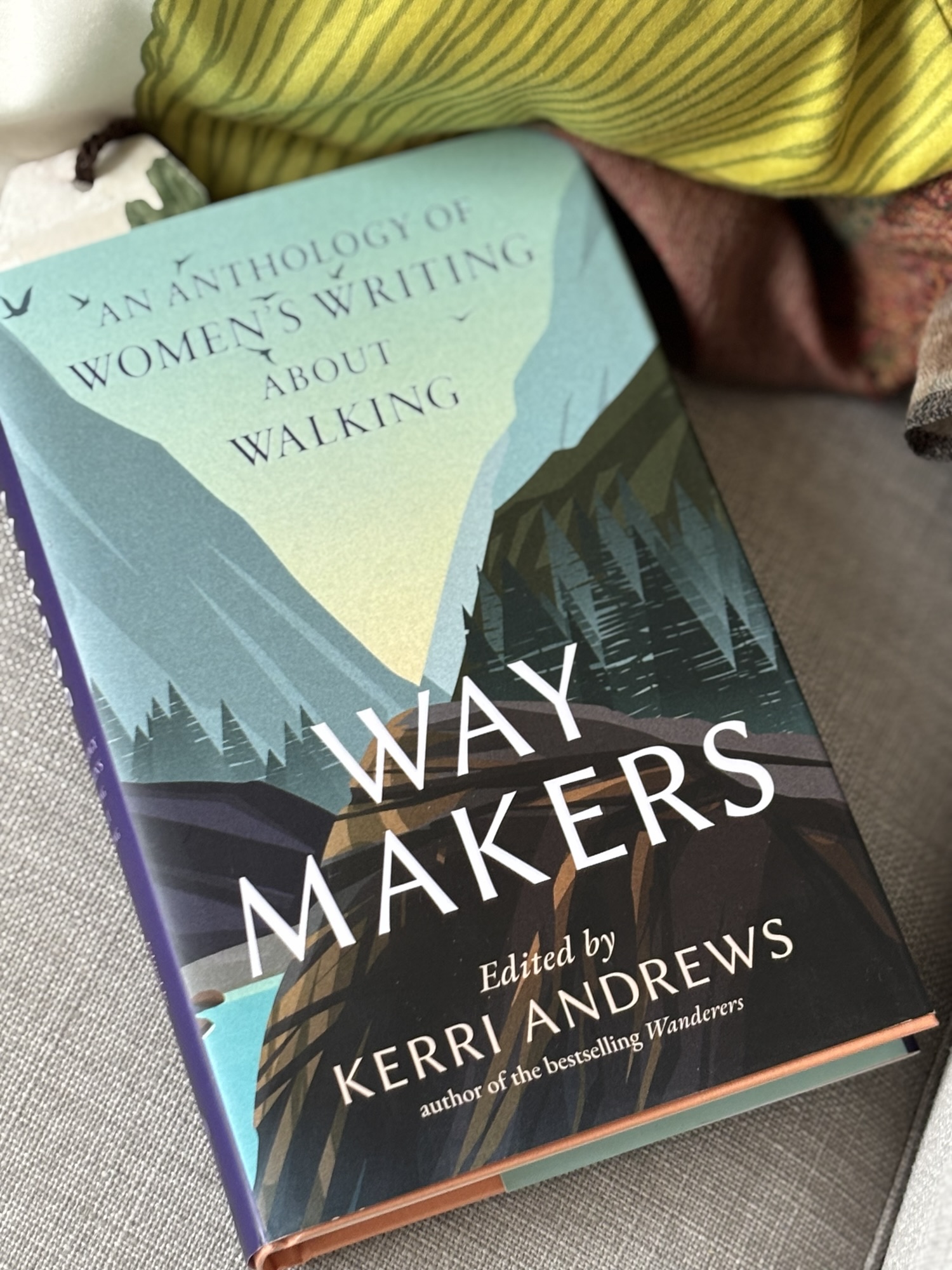
Not that particular woman writing about walking who has been in the news recently. (I haven’t read that book, and now I don’t feel like it, though I enjoyed her two pages in this one.) Women have been writing about walking for hundreds of years. Way Makers: An Anthology of Women’s Writing about Walking bringsContinue reading “Women writing about walking”
Writing, fast and slow

On Wednesdays since the beginning of January, I’ve been doing an exercise from a lovely little book, Creative Writing for Researchers. Taking five months to get through a 160-page book might seem extraordinarily slow. Some of the twenty-odd exercises took twenty minutes. Others took a lot longer. Sometimes I honed a haiku, other times IContinue reading “Writing, fast and slow”
London Book Fair 2025: the people behind the books

At the Helsinki Book Fair, I have one rule. If it doesn’t fit into a single canvas bag, I can’t take it home. Local libraries are fantastic here, but so is the book fair discount, and some titles I want to buy, lend, and keep. While this is the place to meet other translators, literaryContinue reading “London Book Fair 2025: the people behind the books”
Creative writing for researchers

This is a lovely little book for academic writers who want to dip their toes into creative nonfiction but aren’t sure where to start. In Finnish, it provides a great overview of what’s been happening in the field, from creative research methods to social writing. Best of all, the three authors keep their theory andContinue reading “Creative writing for researchers”
The Wordhord

The Wordhord is indeed a treasure trove of old English words, written with deep affection and expertise by Hana Videen. If you speak a Scandinavian or Germanic language, you will be delighted to meet many older cousins of English words here. For instance, I knew that a dead body was a Leiche in German. ButContinue reading “The Wordhord”
English in the Nordic Countries

Would you enter an establishment offering fifty shades of skrei?* If you would, is that still English? Who decides who gets a piece of the English (fish?) pie? Who is English for? “Native” speakers, scholars, professionals, politicians? Or children, teenagers and gamers? It was an absolute delight to discuss all these questions and more atContinue reading “English in the Nordic Countries”
 Ridge Writing Retreats