Writing round the table

Helsinki’s poetry moon festival, Runokuu, is in the last week of August. I spent it with a dozen colleagues, translating Finnish poems and listening to some of the poets. That was the perfect way to mark ten years of living in Finland. As I’d hoped, the poetry translation workshop made me think hard about a challenging kind of writing.

Words whirled through my head all week, so that by Sunday dinner I was even dissecting the restaurant name on the receipt. My stomach is still settling, so I can’t tell you everything I learned around the table last week, but I can tell you the menu.

Starters

Get the mezze.

Share. If there’s some strange shellfish in there, watch how others prise them open. If you’re not sure how to tackle those claws, ask. If you’ve made that sauce before, say what spices you used. Try a bit of everything.

Mains

Pick one.

Stop eyeing your neighbour’s plate, it’s probably no better than yours, even if it looks prettier. Even if it is tastier, they chose it, let them enjoy it. You don’t have to switch dishes or split the last fragment. Yours might be a bit boring, but stick with it. Eat it up.

Desserts

Choose your favourite.

See how this restaurant cooks that classic. You’ve eaten a thousand tiramisus and a million vanilla ice creams. The memories of them resurface on your tongue. Is this one the perfect balance – or bland? Does it look as weird as it sounded on the menu?

Coffee

Sit.

Sip that espresso.

Let that herbal tea infuse before you pour it into others’ cups.

Digest.

Back in your kitchen

Recreate the recipe.

Follow it to the letter and see what happens. If you forget the pepper, is it edible? If you haven’t got all the veg, what can you use instead? Make it again from memory. Ask a foodie friend to taste it. Invite a whole load of people over and make a vast vat of it.

A huge thank you to FILI – the Finnish Literature Exchange – for organising the poetry translation workshop and to Michal Švec for leading it. Thank you to the three poets who shared their work with us: Sinikka Vuola, Susinukke Kosola, and Vilja-Tuulia Huotarinen. Friends who workshopped with me, as we get back to our own kitchens, let’s keep swapping recipes.

new retreat dates – seuraavat retriitit

Same here

For Women in Translation Month, I’d like to remember a woman translator I missed by a whisker, and share her thoughts on writing.

Tarja Roinila was a prolific, much-loved, and much-awarded translator into Finnish. She died in 2020, aged just 56. She’d been translating prose, poetry and philosophy, from French, German and Spanish, for half her life. And teaching others to do the same. I loved her translations of Bernardo Atxaga and wish I’d met her – friends and colleagues still miss her deeply. One of them, Mika Kukkonen, has edited her collected essays, unpublished pieces, and translator’s notes. The book, Samat Sanat (Teos 2022) is so popular, I could only get it from the library on a short loan. Now I’ve read it, I’ve bought it, because I’ll want to come back to it.

Samat sanat means “the same words,” but it also is what you say when you wish someone the same – “you too” – or share their experience – “same here.” Those overlapping meanings fit this book. Roinila shows that translation is writing the same text again, here, in your language, for you too, where you are. It’s different and also the same, like pain and Brot taste different, look different, belong in their culture a bit differently, but are both bread. In French you’d think of a wheat baguette first, and in German, a slice of dark bread, like rye – but both make good sandwiches.

Still, even if you write exactly the same text again, it resonates in a different time and place (see Borges’ Pierre Menard, Author of the Quixote, which Roinila discusses at length). Translators write across that gap in time and place – and language. Here and there are not the same. But there are ways to bridge the gap.

Roinila could go through eleven revisions before she let her text go. She relaxed into her work only when she had a first draft and could start writing in Finnish, guided by its grammar and syntax, sounds and creativity. Her 2018 translation diary reminded me a lot of Daniel Hahn’s 2022 one, Catching Fire. But what I enjoyed most was her conversation with Coral Bracho, the Mexican poet who Roinila had translated 17 years before and then came back to. She pestered Bracho with questions about what this word means or how that phrase resonates, until Bracho despaired:

“Write it like it is!”

Same here.

I agree that’s the aim. And I can feel that frustration. You too? Of course it is not easy, but it is possible. Roinila shows you how. She emphasizes the affective and embodied way of writing it like it is, rather than the cognitive. She’s not trying to transfer a Platonic abstract idea, but like Sappho, to show how a text feels, sounds, works. I loved her hat-tip to Kristiina Drews’ translation of Ali Smith’s There but for the.

Roinila not so interested in the writer’s process or past or public profile, but in getting inside what they write. For her it’s playful, it’s a lot of fun. It’s also collegial – she talks about finding solutions together. If I was brave enough, I’d translate Samat Sanat into English. But I’ve given you a taste. Teos, can we write Roinila like she is in English, too?

Get back to writing

Summer stretches gloriously before us. If you’re in Finland, the holidays are well underway. You won’t expect to hear from your colleagues again for the rest of this month. And if you’re elsewhere in Europe, you still have time to get yourself to Helsinki for 18 and 19 August.

Why come to Helsinki?

To join us at Valo Hotel & Work Helsinki for two days writing.

Writers recommended this venue because the coworking space is flexible, light and spacious. And it has everything you want from a hotel: great food, green key sustainable status, and a fabulous rooftop spa. If you’re local, join us for the day, but stay over to immerse yourself in your project – and the pool.

Why an in-person writing retreat?

Online works great for many. I love the online writing retreats I do. But not everyone has a room of their own to write in undisturbed. Even if you have one, writing in companionable silence in the same room and chatting in the breaks can work wonders. Have someone else take care of all the logistics – meals, breaks, enough time for rest and exercise. For just 48 hours, let the people back home or in the office take care of the rest. In the last couple of years, we’ve missed this. We need it. It works.

Why 18 and 19 August?

Because by that point, if you’ve set any writing goals for the summer, I bet you will feel you’re running out of time. 1 September is that “back to school” date in a lot of places. Schools will be back by mid-August in Finland, but universities won’t – yet. We all need proper time off from our writing, and from reading anything related to it. We need to plan that rest in. But it might be easier to switch off if you know when you’re going to turn your writer’s lights back on. Being in a dedicated space with others who have made the same time commitment can help you get back to writing.

Why book this writing retreat now?

Having this date in my diary has already helped me clear the decks for summer. Insanely, I have three book chapters on the go. This is my own fault but I can cope, by writing together little and often. I host weekly online cowriting sessions for anyone who’s been on my retreats. They keep me – us – going. Members of our group have turned from faces on Zoom to close friends. But sometimes you need more than an hour at a time to check in and work through a tricky patch in a particular text. It helps to have two whole days in the diary well in advance. Two days only for writing. Nothing else.

It’d be a pleasure to write with you.

Book here.

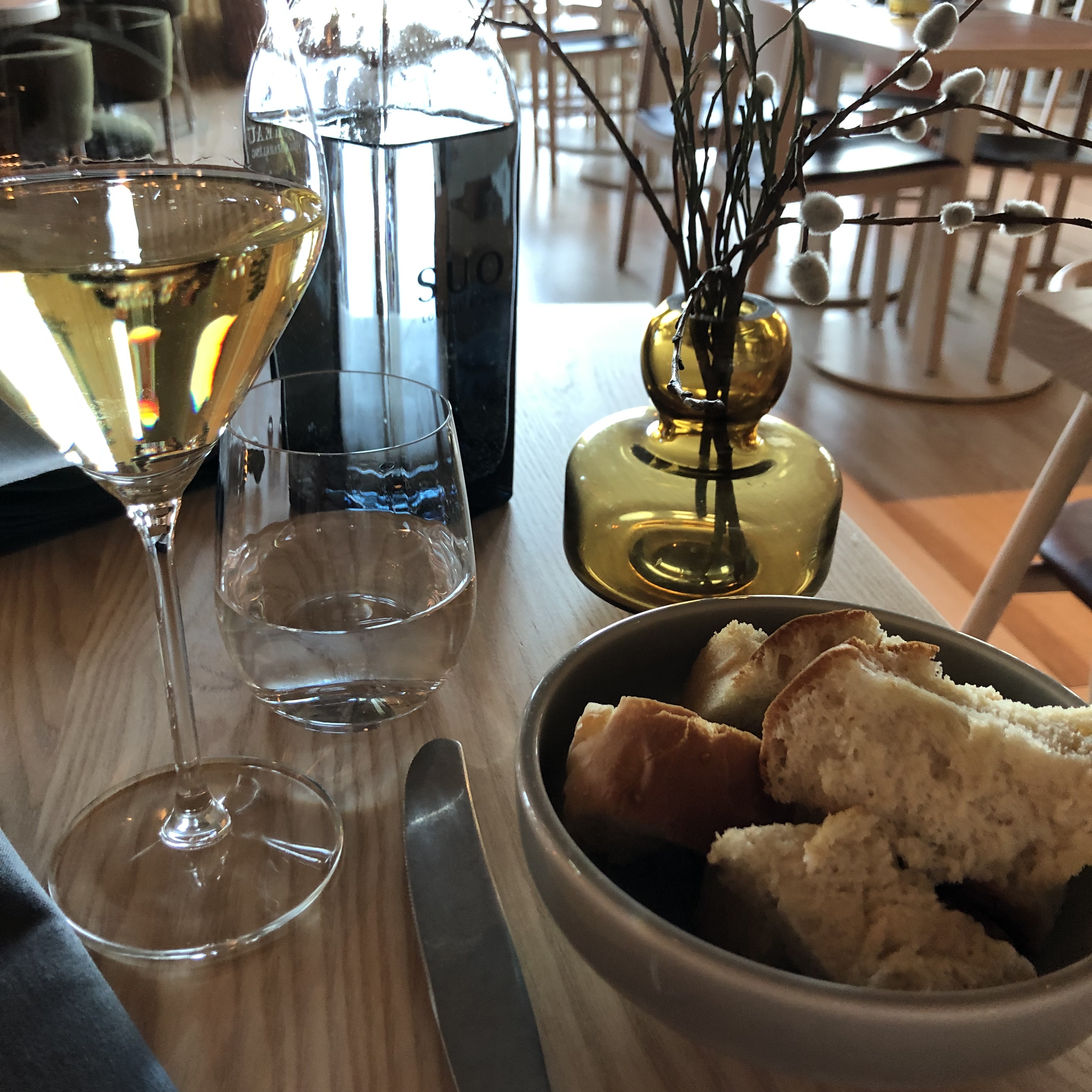
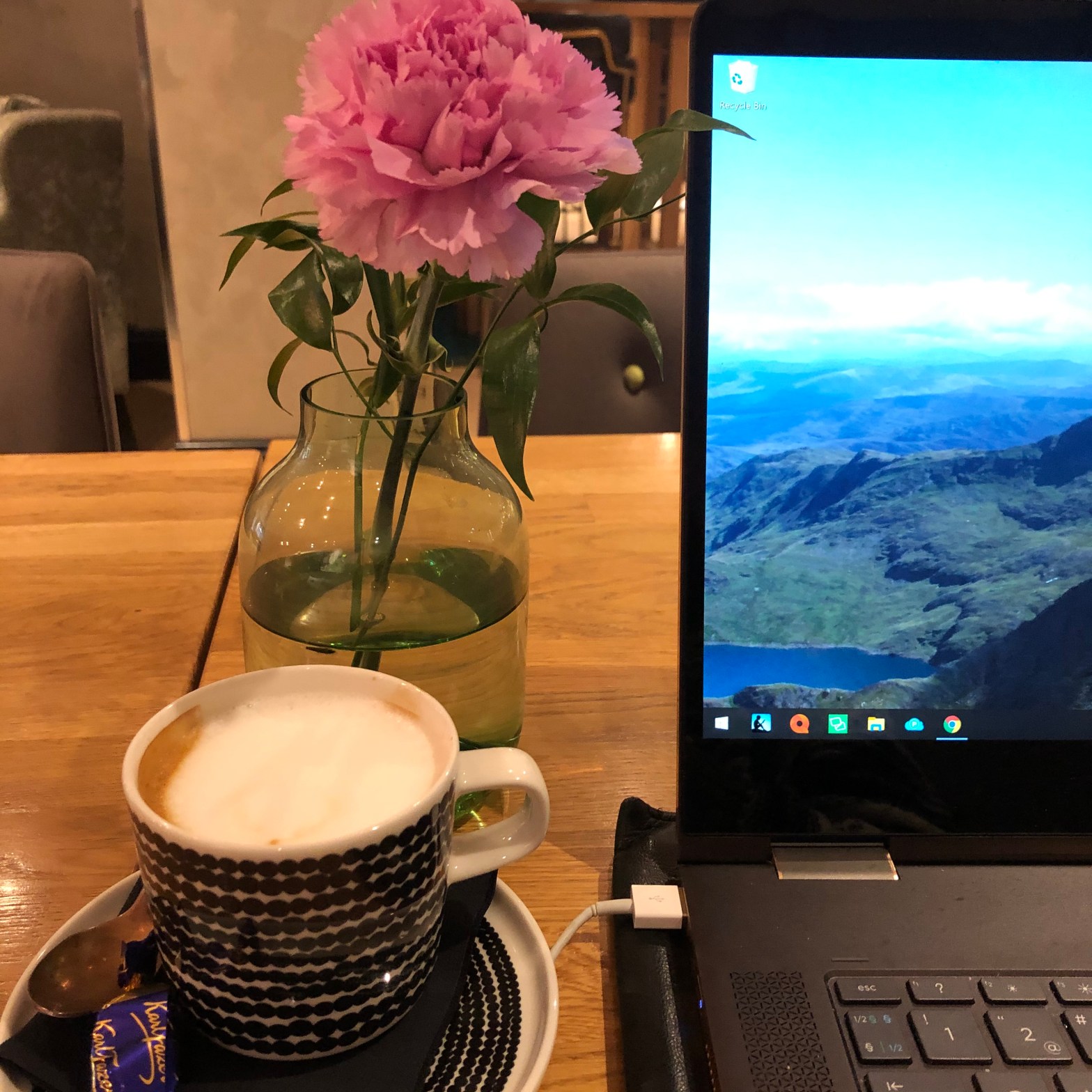
All photos are my own, from my test run of Valo Hotel & Work this spring. You can see why I’m looking forward to going back!

Pitch your book

You have a great idea for a book, you’ve begun writing it, you’re sure your readers will appreciate it. You only have to convince a publisher.

Where on earth do you start?

I’m going to talk about non-fiction here, particularly about creative non-fiction. That means bringing ideas out of academia to a wider readership. I’ll mention fiction and the US, but focus on the UK, where I grew up, and Finland, where I live. That narrows it down a lot, but a big part of convincing a publisher to take your book is just that – narrowing things down.

Narrow it down

Big UK academic publishers get so many requests that they have a standard form to fill in. (here are the book proposal guidelines for Routledge, Palgrave, and Brill). They ask questions that will help you focus your book proposal. In a nutshell:

Who is writing it, and who is going to read it?

Where are the writer(s) and the readers?

When will you finish your manuscript?

How does your book fit with others?

Why do we need this book at all?

What is it about?

Recently one of those big publishers accepted our book proposal. With two co-editors we have our contract signed. Several authors have chapters drafted, and we have a realistic schedule. Now all we have to do is finish writing the book! I’ve edited and translated several proposals – and books – written by others, so I knew about that stage. But before going through it myself, I did not know how to contact a publisher, get them to consider your proposal, and negotiate a contract. It’s a lot more work than you think.

We were negotiating our contract when I attended two very different sessions on how to pitch a book. One was with academic author and editor Laura Portwood-Stacer in the US – if you don’t get her Manuscript Works newsletter already, you should! The other was a two-parter with the PhD network in Finland, Tohtoriverkosto. First we met a successful author, Tiina Raevaara, and then Ville Rauvola from a big publisher, Atena. At these events, I realized how much I know already about getting published – and how much more there is to learn.

Find where you fit in

One of the first things you need to do is see what’s out there already, and where you fit in. Read a lot, and well beyond your comfort zone. Read in other languages too, Rauvola suggests – you might get a great idea that would work in your first language. Go to book fairs. Seeing all those books and their authors in one place is exciting. Behind the scenes, there’s a lot of hard bargaining. You need to explain how your book stands out from all the others, to some very busy people – that elevator pitch.

The Helsinki Book Fair, where I’ve been twice with the FILI programme for translators, opened my eyes to how people buy and sell books. We had meetings with literary agents who handle the rights. This made me see the commercial side of publishing. Who is going to pay for your book? How are they going to market it to readers? I translate samples for literary agents I’ve met through FILI, and write readers’ reports for New Books in German. NBG’s advice on how to write a good readers’ report tells you what publishers are looking for.

Book fairs are where publishers literally set out their stalls, so you can get a good feel for what they like. The Finnish Publishers Association lists its members online. The UK Publishers Association has a searchable directory. Of course in a specialist niche, whoever publishes your literature might publish you.

Approach a publisher

In Finland things are much less formalized than in the UK. People tend to know of each other, at least. Rather than six degrees of separation, it’s more like two or three. But in the US, Portwood-Stacer also says to start with informal chats and use your connections if you have them. You need to check out the publishers too before you make a formal submission. Not everyone can fire off a two-line email saying “I’ve had an idea for another book, what do you think?” Raevaara does this for her narrative non-fiction books, but she’s a respected scientist and creative writer.

If you don’t have quite that star status yet, you might need to say a little more. To get a publisher interested you need to know your likely readership. The consensus seems to be that email is best, but only to the right person. This can mean digging round publisher websites to find out who handles that genre and field. You don’t need to send the whole manuscript – you should contact them long before it’s ready. A page (no more than two) answering those wh- questions will narrow down why they should care about your book now.

Smaller publishers have a more personal touch and may respond faster. Even if they like your idea, an academic book proposal will go through peer review, so it can take a while.

Make your proposal

Different parts of your book proposal are important for different people, says Portwood-Stacer. The working title shows the editor the key point you want to make. The project description shows how you write. The intended audiences and comparable books are important for sales and marketing staff. The synopsis and chapter summaries are important for peer reviewers. Both these groups want to know who the authors are so they can place you. The specifications (length, images, etc.) are important for production planning.

Get beta readers to offer you constructive feedback. If you’re popularizing a thesis, you need to explain concepts in language that more general readers can follow. Revise is the book to help you do that. Raevaara herself is fantastic at turning hard science into thrillers. With Urpu Strellman, she’s written the Tietokirjailijan kirja, the book for non-fiction writers in Finnish. She cited Johanna Laitinen from another big publisher, Gummerus: “I always want a book proposal to surprise me.”

Publishers like to see that you are active on social media and can promote your work. You can do this in different ways, to suit you (it doesn’t have to be Twitter!), but they will want to know how you share your ideas.

Negotiate a contract

Getting a contract is fantastic – but scrutinize it before you sign. Authors’ associations can help you make sure that the terms are fair. In the UK, the Society of Authors offers a fantastic contract vetting service. They were extremely helpful for our book, identifying in every clause what was usual, realistic, and acceptable (not the same thing!). The US Authors’ Guild offers an excellent model contract for literary translation. The Finnish Union of Writers and the non-fiction writers’ association publish model contracts. In Finland, Sanasto makes sure your get your royalties and defends your copyright. In the UK, ACLS does the same.

Get it written

When our book proposal became a book contract, the first thing we did was pencil in writing retreats. This could be informal cowriting hours online with a couple of colleagues, or days offline, away from everything else. If you want to stick to your schedule, write little and often.

new retreat dates – seuraavat retriitit

Revise!

“Revise and resubmit” are three words that fill academic writers with dread. My own PhD wasn’t ready when I submitted it first. Second time round, it was, because what was on the page more closely matched what was in my head. Two decades later, I remember how that process of reworking feels. Now, editing and translating, I reshape other people’s academic texts for a living. Revising your own is always harder.

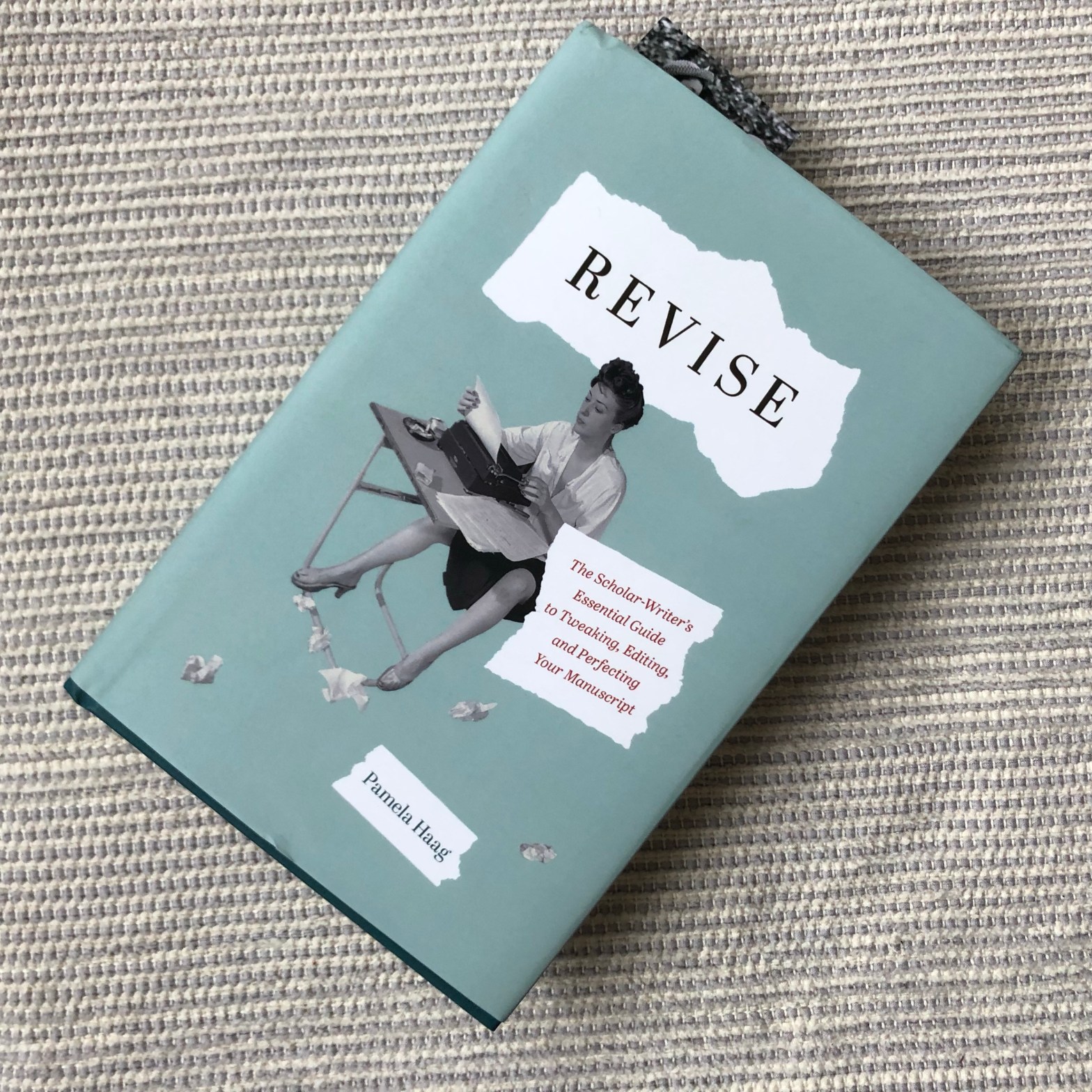
This book helps. Reading Pamela Haag’s Revise: The Scholar-Writer’s Essential Guide to Tweaking, Editing, and Perfecting your Manuscript (Yale UP 2021), I found myself crowing in delighted recognition. Like mine, her mantra is “who is doing what to whom?” If a passage is in the passive, it might not be clear in the reader’s mind – or even the writer’s head. A developmental editor like Haag can help you restructure. But you can do a lot to your manuscript yourself by asking the same questions.

You can use this book to turn the vague writing feedback into concrete action. What does it actually mean to “smooth over” or “tighten up” a text for better “flow”? Turn lists into linked text, take out subheadings, shorten chapter titles (stop before that colon!), or cut examples and block quotes. Check your verb, subject, and object are clear. Humans do things to other people or things. Who or what are they? “Policymakers” or “citizens” are still large categories that you need to define. You can make a watchlist of words you overuse (“interesting” and “clearly” are on mine).

Moving through the text is another huge issue. Ideally, “your manuscript’s inner logic makes its explicit articulation unnecessary.” Haag spends a lot of time on making segues, or transitions, effective. She gets her red pen out for “traffic direction” or “hand-holding” (“As I said in section 1, I will next…”) and “emcee words” (“its devastating impact shocked us”). She advises against restating your argument too often and for techniques more used in narrative. Tell the reader what they need to know, in the order they need it. Right down to the sentence level.

Haag makes all this easier by defining terms. She is precise – do you need rhetorical questions? No. And figurative – is your manuscript a “sleek jaguar with no bones”? If it sounds good but has no skeleton to hold it together, you need to choose one, based on your main point. Then you can “walk down the vertebra” of the book to check they’re in place. “Tofu syndrome” means you’re writing like your sources, as tofu absorbs any flavour. I see this often in writing about the European Union, in fluent EU-speak. Like “asparagus” you can feel the point where a section should snap off so you don’t have to eat the long woody stalk. Scare quotes are an “eye roll” on the page, so it is more effective to tell us what is wrong with “that term.”

Blocks in your writing might have underlying “psycho-editorial” causes, which Haag lays out. If claims don’t sound confident you may not be feeling confident. You might use jargon to avoid making your own argument, or put conclusions first because you’re tired. Did you only put that long literature review in because someone else said you had to? If you know why, you can do something about it. “Force yourself to put the theory into your own words.”

Haag illustrates every point with real text she’s revised, and ends with a comprehensive checklist. Have you read your text aloud, checked that figurative language obeys the laws of nature (begone, actors mapping interwoven frameworks!), and made your antecedents clear (shown what “it” is)?

A colleague recommended Revise to me. Now I am recommending it to you. In the days after reading it, I found myself remembering Haag’s prompts, as if she was revising my writing alongside me. I made better decisions. It was easier to untangle those knotty sentences. Next time I have a big, shapeless text that needs trimming, I will start from her checklist.

new retreat dates – seuraavat retriitit
101 ways to write

Sometimes imposing restrictions on your writing can be freeing. Translators know about this. We turn other people’s words into new ones in a different language that doesn’t work the same way. To quote Ginger Rogers, we do everything Fred Astaire did, but backwards, in heels.

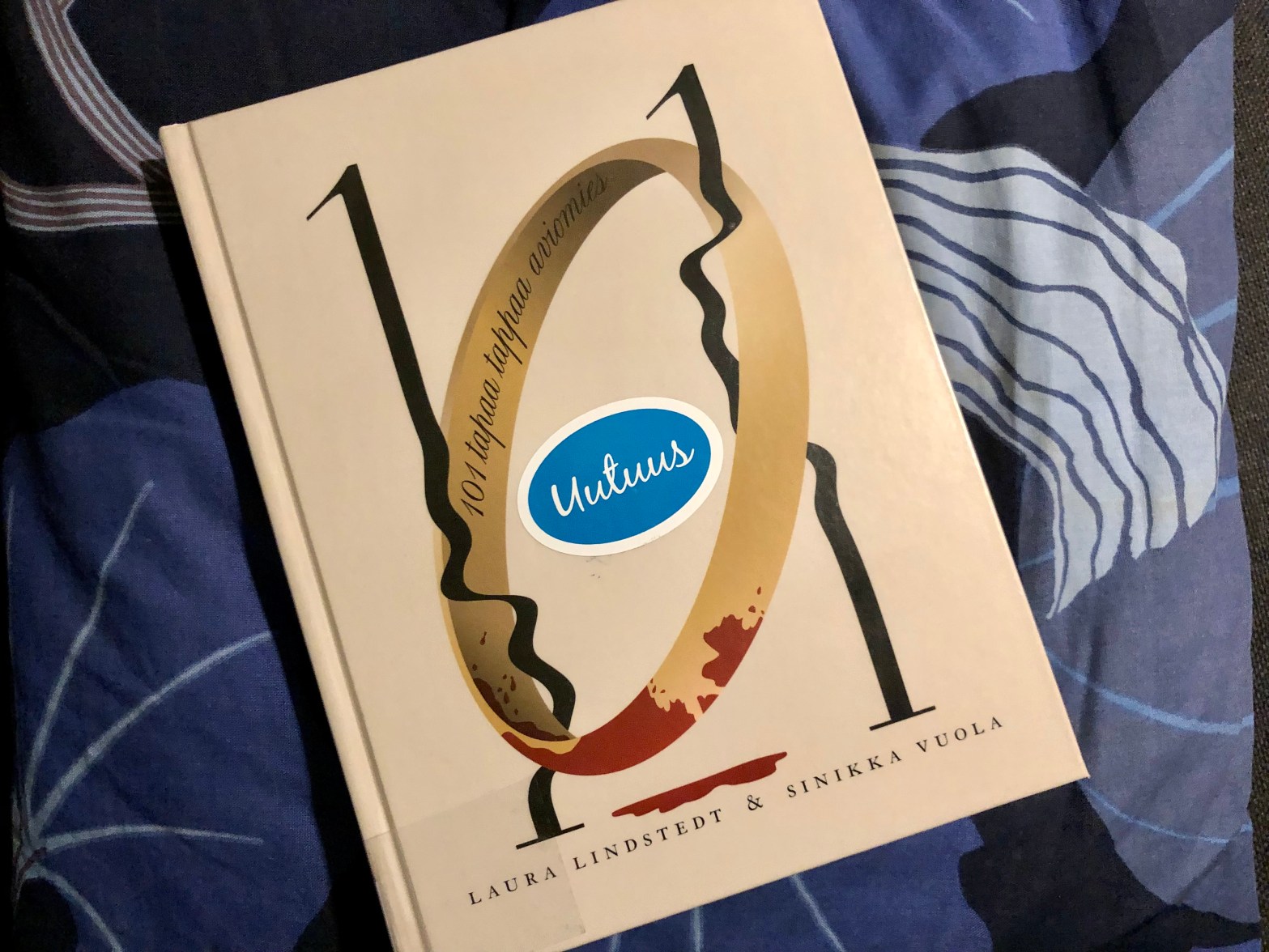
If you want to ginger up your writing, get your hands on this book. But since 101 tapaa tappaa aviomies is in Finnish, I’ll focus here on the contents and how you might like to use them.

Laura Lindstedt and Sinikka Vuola take a violent story and retell it, 101 ways. It’s not long, so here’s my 20-word tweet-length version:

Anja, after years of abuse by her husband, kills him. The court concludes she’s served her sentence already. She’s free.

You could take that, and turn it into a haiku, a blurb, or an academic abstract. You’d be getting the idea. But what if you turned it into a libretto, a list of pharmacy prescriptions, or retold it from the point of view of the gun? It could be far more interesting to read.

What if you didn’t use the letter “e” at all, or replaced all the nouns with the ones three lines below them in the dictionary? Some people will enjoy these experiments with form more than others. You could try a tanka, limerick, or sonnet. I particularly enjoyed the traditional Finnish forms that echoed the Kantaletar.

What if Fibonacci, Kafka, or Getrude Stein got their teeth into it? Can you make your writing count/sound like theirs? Often, we have to write within some formal constraints – those abstracts and tweets – but applying all kinds of others is delightful.

Yes, some seem daft. But I did squeal with delight on several pages. It’s not a little up itself, sometimes. But grand old wordsmiths say, “if you’re stuck, try changing the person or tense.” What if you changed a lot more, playing with your text to see where it takes you?

Three new words for forms of writing I learned from this book were:

  1. Rapukäännös = crabwise turn = retroversio. In this context, telling the story backwards.
  2. Flarf = deliberately “bad” poetry made by scavenging odd search terms and bits of text online.
  3. Tautogram = a text where all the words start with the same letter.

Writing backwards in heels like that for a bit could make it easier for you to write forwards, barefoot. When your tired text hits snooze again, give it an extra blanket, a dreamcatcher – or a triple espresso. And see what happens.

new retreat dates – seuraavat retriitit

Spring into Writing 2022: join us on retreat!

The days are getting longer. The clocks will soon change. Our Wednesday writing group finds the sun rising earlier means we’re waking up earlier. Does that give us more time to write?

Finally being back on campus or in the office has been brilliant for meeting in person again. But that means more time getting from A to B. A good thing, but the working day can feel longer.

If you’re struggling to fit it all in, carve out some writing time with us. Put your out-of-office on, get back into some good writing habits to start your summer project – and finish in time to take a proper holiday!

We’ve retreats to suit everyone: in person and online, in English and Finnish bilingual, and Finnish only, in April, May, and June. Come and try it for a day, or book yourself in for all five…

Online in April

Join us in April for two online retreat days, on Thursday 21 and Friday 22 (book here). While these are on Zoom, I’m taking the opportunity to test a new potential venue in Helsinki, Valo Work. So let me know if you want to meet up there.

On an island in May

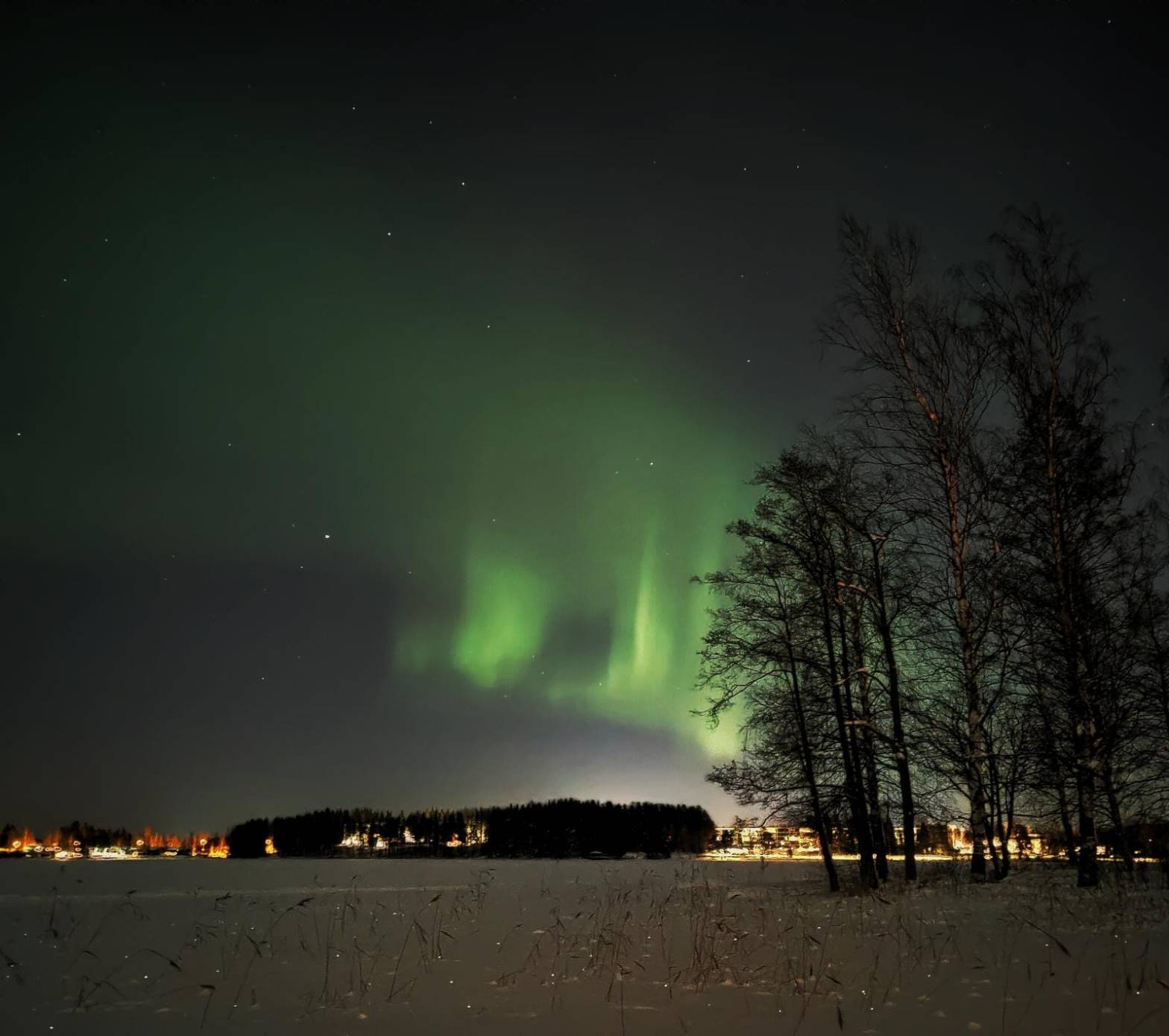
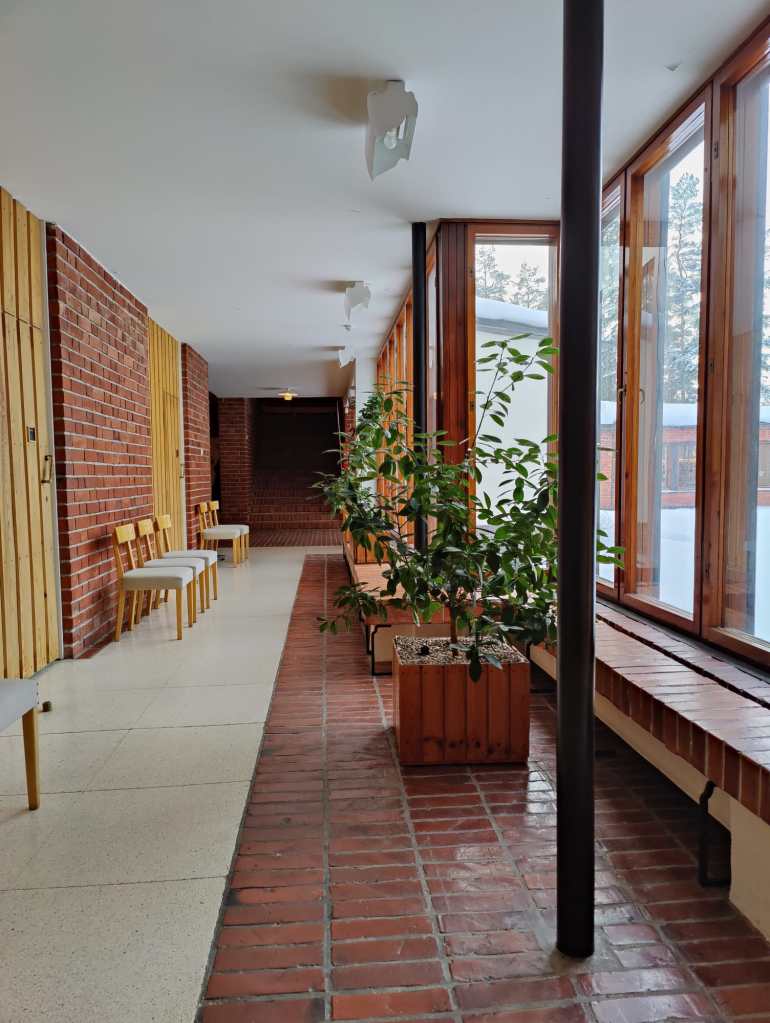
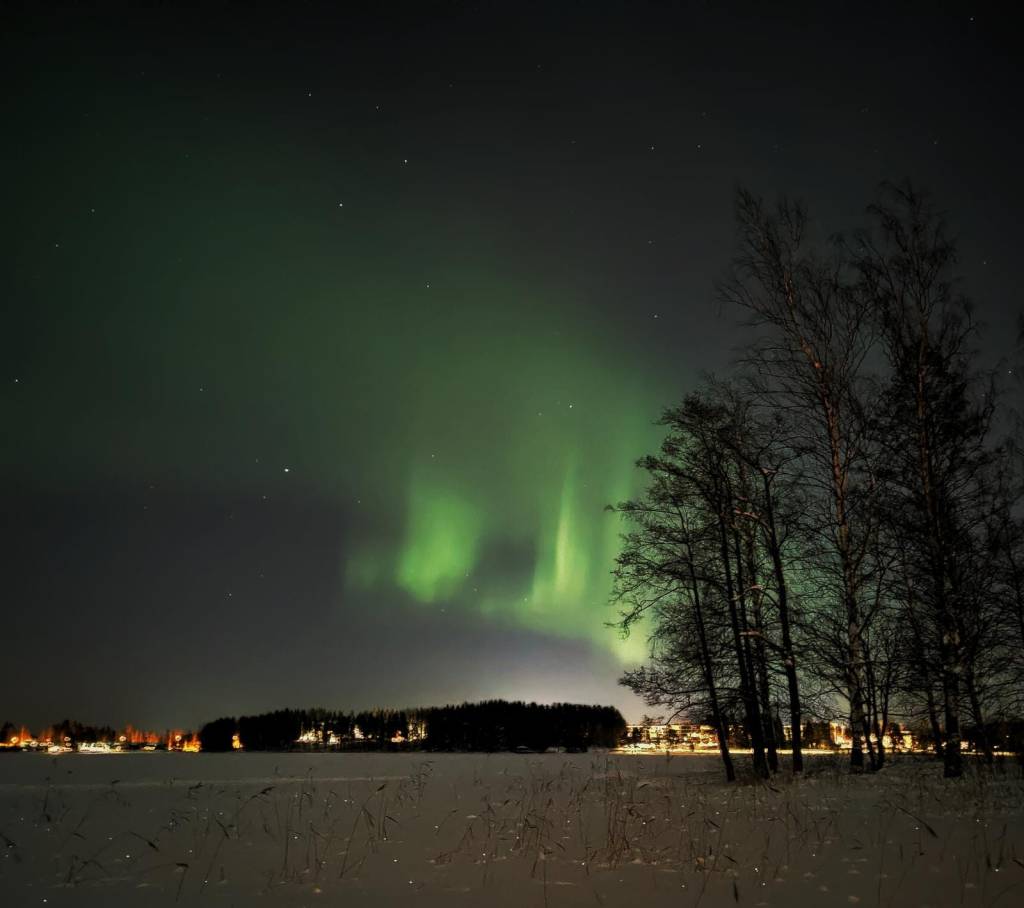
In May, two days in person on Thursday 5 and Friday 6 (sign up here). After our successful retreat in February, we are returning to Säynätsalo Town Hall. This unique Alvar Aalto building is the perfect fit for us, quiet, spacious, and creative. The island is a bus ride from Jyväskylä city centre, in a beautiful setting on Päijänne, the second-biggest lake in Finland. Last time we saw the Northern Lights and tramped through the snow – this time, spring will be in the air! Book accommodation here now, as spaces are limited.

Suomeksi kesäkuussa

Our fourth online retreat in Finnish with Tohtoriverkosto is on Friday 17 June. Sign up here, it’s free to the PhD network members so do join if you haven’t yet. This is the week before midsummer, when Finns disappear into the forests and onto the lakes. But we will keep writing on Wednesdays for some of that time. Wednesday morning online sessions are free and open to every writer who has been on a retreat.

Scholarships

Every retreat has a free space for a student or person on a low income. Thanks again to the individuals and university departments who have sponsored this before. Email me for the scholarship code, or if you want to sponsor a scholar. Looking forward to writing with you!

Writers in community

One of the best things about writing together is how much you can learn from others. Here are some tips from writers on recent retreats:

1. Try writing the first sentence of each paragraph – fill in the detail later

2. Put your phone behind your computer screen out of sight – or turn it off!

3. Stick to one way of writing for one hour: brainstorming, free writing, revising…

4. If killing your darlings feels too brutal, send them to kindergarten/boarding school. (Instead of deleting text, move it to a separate document)

5. Change position – move to a different chair, sit then stand

6. To counteract hunching, lie on a cushion or foam roller so your chest is out

7. Measure yourself – how many words did you write in the last hour? Use that figure to schedule writing the whole piece

8. Let your text rest so it feels new when you come back to it

9. When you revise, try doing it in a different format, font, programme, or place

10. End with something physical, offline – walk, swim, meet to eat or for coffee

Every retreat, I’m amazed at how much we learn from each other, how much we get done, and how much fun we have. Come and write with us.

Thank you to Zama Ferin for her gorgeous photos from our February retreat in Säynätsalo.

Rhetoric for Writers

Facilitating writing retreats is a bit like being a yoga teacher. I was remembered this at my last retreat. At the end of our first day, one participant said “I feel tired, but in a good way, like after a great yoga class.” Which is all you could hope for. But Like yoga teachers, writing retreat facilitators need energy from someone more experienced. You need to keep learning.

Luckily, I was half way through Rowena Murray’s rhetoric course.

Rhetoric is a triangle

What is rhetoric? It is “the art of making the best possible case” (Fahnestock, 2011: 158), or writing with “a sense of audience and purpose” (Flower & Hayes, 1980: 21–32). Rhetoric links all three sides of a triangle: writer, audience, and purpose. When the triangle aligns, the audience sees your point – whether they agree or not!

On this two-day course, we tested rhetorical techniques and used them to make a case in writing:

  • Audience analysis
  • Rhetorical modes of exposition and argument
  • Structuring and writing styles

As we started, I remembered what my A level history teacher used to write on the side of my essays: “Why are you telling me this?”

Modes of exposition

On day one, we examined all seven rhetorical modes of exposition:

  1. Description
  2. Narration
  3. Process
  4. Comparison & contrast
  5. Analysis
  6. Classification
  7. Definition

Once we had the theory, we got straight into drafting texts to use in practice. We had questions to keep us on track, and feedback criteria to see if we hit that target. I realised, yet again, that I can happily write a thousand words in less than an hour – talking to my audience. But then I need to restructure to boil it down to my main point. I have to remember the purpose side of that triangle.

Rowena Murray shows you all these modes of exposition in the Journal of Academic Development and Education, in her editorial on Snack and Binge Writing. I tried using them all here – but I didn’t use them in order, or label them. Can you spot all seven? Would a different order have worked better?

Modes of argument

On day two of the course, we tested the rhetorical modes of argument:

  1. Evaluation
  2. Causal analysis
  3. Refutation
  4. Proposal

Even after one day, I noticed a big change in how I used my writing time. The second time we had an hour to practice one mode, I wrote 500 words instead of a thousand. But it was much better structured. I was much more focused on proving my point.

Some modes of argument and writing styles felt like old friends but on the course, I thought about them in a new way. For instance:

When you write a proposal, it should have an hourglass shape, that begins with the issue up for debate, definitions, and causes.

The proposal statement is the middle

The proposal ends with the supporting arguments and solutions. Not many people use hourglasses these days, but you might still use an egg-timer (for snack writing), which is the same shape. You could look at how George Herbert does it in his beloved poem and call this a proposal with wings.

Structuring your argument

My key takeaway from this course was: spend more time planning than writing. Were you taught to spend the first 10 minutes planning your answer to an exam question, and use the rest of the hour to write it? I was. But what if you turned that on its head? Liane Reif-Lehrer suggests you spend 60% of your writing time outlining, 10% turning it into prose, and 30% revising. Or even 90% planning, so you need very little time to write and revise.

You can plan an article down to 100-word blocks, by dividing it into sections, subsections, and sub-subsections. Then you know exactly how much space you have for every stage in your argument. Which is especially useful if you are co-authoring. Once you have your outline, you only have to write a hundred words at a time. That should be easy to fit in – with an egg-timer, an hourglass, or wings – however busy you are.

Rhetoric on writing retreat

Rowena’s course moved the theory of rhetoric into writing practices that you can remember and use. I found it useful to adapt the rhetorical modes to writing retreat contexts. You, the writer, can focus before you start by filling the other two sides of the rhetoric triangle:

For purpose, one easy technique is to think of a verb. What am I doing in this section or session? Is my aim to argue, claim, analyse, confirm, dispute, reveal?

For audience, build up a mini reader avatar using wh-questions. Who is going to read this? When? What do they know about my topic? Where will they agree – and disagree? Why? How can I make them see it in a new way?

And the key, as ever, is to set specific goals. How long have you got? In that time, how many words can you write?

Zooming ahead

We did this over Zoom, using breakout rooms to share our practice texts. We met on two successive Tuesdays from ten till two. Four hours at a stretch online sounds like a lot, but we moved between big group and small groups, listening and talking, reading and writing. With proper breaks. So the time flew past, but we covered a huge amount. Just like on a writing retreat.

Of course, in person we could have had more social time and focus. But online was more accessible. Besides me in Finland, writers came from all over the UK, at all stages of their academic careers. Some even attended while in covid isolation. Sharing your writing on-screen is scary, but in a breakout room with two or three others, it is doable. It helps. A lot.

Take this course!

Rowena Murray’s retreats and training always bring you back to the writing. Even though this was a taught course, I got a lot written. I restarted an article that I’d left to sit, because I was stuck on the analysis. Now I know how to tackle it. And I learned some new criteria to focus my writing on my audience and purpose.

Have I convinced you to take the course yourself? You tell me!

new retreat dates – seuraavat retriitit

When to stop writing

Inspirational unlock-your-inner-novelist books, beware! Here’s a Nobelist to tell you like it is.

To be fair to Szymborska, she’s not a grand old man of literature who looks down her nose. And when she was writing the letters published in this book, she did mention the Nobel, but not because she’d won it yet. Because few people win it. And because she’s not a man, she was writing those letters in the plural, as “we, the editors of this literary journal.” If she had written “I” in Polish, readers would have known it was her: the only woman on the editorial board.

She was writing for censored publication. This was before the underground press took off, between the death of Stalin and martial law (1953–1981). As ever, Szymborska used the tiny space available to say a vast amount. Aspiring authors asked Literary Life whether their writing was any good. The answers are in How to Start Writing (and When to Stop), published in 2021 by New Directions.

Szymborska didn’t waste the tiny space available on niceties. While many of her responses made me laugh, she was never cruel: “‘My boyfriend says I am too pretty to be a good poet. What do you think of the poems I sent?’ We think you must be really pretty.”

Yet these letters should not drag you into a Slough of Despond about how dreadful your own writing is. Szymborska asks her readers difficult questions that could help them move up and out. She is honest. Sometimes you should keep writing those poems, but only for your beloved or your desk drawer. Sometimes you should stick to letters and diaries because what you’ve got just is not a Great Novel.

She returns to the basics: Are you reading? Are you revising? (Even Chekov did seven revisions, she writes, and Mann did at least five.) How does it sound out loud? (“No poet since the dawn of time has ever counted syllables on his fingers. A poet is born with an ear. He’s got to start somewhere.”) Is the story even possible? (See her advice to the poet Marcus below.)

Her letters reveal the editor’s weariness with the same old themes and rhymes. Szymborska refuses to read any more poems about springtime. When something fresher comes along, she’s delighted, but stays critical. And she writes by the same rigorous standards. In the introduction, Clare Cavanagh describes translating a volume of Szymborska’s poems. All the translators were told to delete one, without reading it, and translate the new version. Nine-tenths of what Szymborska wrote went in the bin.

In the interview at the end of the book, Szymborska says herself that “the didactic value is minimal. It’s mainly entertainment.” I felt that when I was reading, but afterwards, those witty darts had started working their way into my mind. Not everyone has someone to tell them when to stop writing because it is not working. Even if you have a critical reader, they might not prod you in the right direction. Szymborska could.

Clare Cavanagh’s translation is terrific. This is the first time I’ve read Szymborska in English, because I missed Teresa Walas’ Polish edition (Poczta literacka czyli jak zostać (lub nie zostać) pisarzem). It came out in 2000, four years after Szymborska was awarded the Nobel Prize for Literature. Her voice shines through this English edition of the book. Her letters from the editor are a sharp and surprising as her poems.

Writing in a Winter Wonderland 2022

In January 2020, we wrote together in a winter wonderland and it was wonderful. At the Writers’ House in Jyväskylä, the snow started falling just as we finished writing. I knew we’d do it again soon…

Two years on, we have come to value our time together in person even more. It is precious, when we have had to do without it for so long. But we’ve still found ways to write, and online, too, the collective energy makes it work.

Writing together keeps your work on track and from it, friendships grow. I hope it can do the same for you. Why not give it a try?

Join us in February if you need to get something written and want good company for it. Come for one day, or five!

Our online retreat on Friday 18 February (in Finnish) is free to Tohtoriverkosto members. The deeper into academia you go, the less easy it is to prioritise your writing, as Hanna Tervanotko and Helen Dixon explain. Join the Finnish network for PhDs and PhD candidates to make it easier. This will be our third retreat.

Before that, we are writing together online on Thursday 3 and 4 February. Like all my other retreats, this will be in English and Finnish – people who come speak and write in other languages too. We will start a bit later to include people further west in Europe.

And on Thursday 10 and Friday 11 February, we will meet in person in a unique setting, Alvar Aalto’s Town Hall in Säynätsalo. Some of you will know I have been living there short-term myself – now you can too, for a day or two. The island is a short bus ride from Jyväskylä city centre, but in the middle of Päijänne, Finland’s second biggest lake. In February the ice should be perfect for skiing, skating, or snowshoeing. Aalto Bakery is right next door, and there’s a lovely lakeside eatery nearby. If walking is more your thing, you can rest and refuel at Table en Bois on the next island. Come on Wednesday night to start right with a sauna. Or stay on for the weekend to relax afterwards. Even if you’re with us for one day, you’ll have room for those conversations that work so much better in person.

Whichever you choose, we will have time, space and community to write together.

Hope you can join us. Book here.