Can you get a whole book written alongside everything else that life throws at you? If only you had the luxury of going on a loooong retreat… But does the idea of heading for the hills with no mobile phone and nothing but your manuscript – even with full catering – terrify you? Could shorter retreats be better? Some of my colleagues like Acorn Writing Retreats in Scotland offer several days writing together every month. I facilitate about two days a month, too, but in different languages and for different groups, online and offline. Could I write a book that way myself?
Some retreaters get enthused about how their work is shaping up at last, continue with renewed energy and… slow down. After year or more, they come back for another kickstart. I know how that feels. After a good retreat, it’s like a valve has opened and words pour out for hours on end, I don’t want to do anything else. Then, life gets in the way. Alone, it’s hard to maintain momentum.
So this autumn, a small group of us started meeting once a week to move our nonfiction books along. Even after a few weeks, we see how life happens. It’s a bit like the parable of the sower. Some were excited on social media or in the first session, but were never seen again. Some of us have work or family commitments that feel too large right now to carve out space to write. Others made it clear from the outset that life is definitely happening for them, so all they can do is what we have committed to do together. To show up for one hour a week, talk about where we are at, write for 45 minutes, and set our next goals. That’s it. Then it’s time to fetch the kids or go to a dance class or cook dinner or whatever. But all those little spurts of 45 minutes add up. Slowly, surely, books are emerging.
Rowena Murray wrote 12 years ago about snack writing. At the end of our book writers’ session this week, I found myself remembering that. Myself, I’d had a long day and was developing a stinking cold. But I’d still got a hundred words written that will link some of my big questions together. And when I had to write an abstract the next day, it more or less wrote itself, so all I had to do was cut to the word limit. Because I hadn’t lost the thread through the writing labyrinth. I was still holding on.
In our sessions so far, we’ve noticed all the other texts that distract and detract from our books. Writers have to stop their main long-term project to apply for jobs or funding with immediate deadlines. They need to jump through all the hoops to make their research happen, such as writing ethical review statements. I see this again and again when retreaters say, “I hoped to work on this, but now I have to respond to that.” Yet, all this writing around the writing, frustrating though it is, can feed back in to the main event. Having to tell potential funders or employers why they should choose you helps to clarify why readers should choose your book. Editing other people’s work for a journal or a co-authored article could help you be more critical of your own writing.
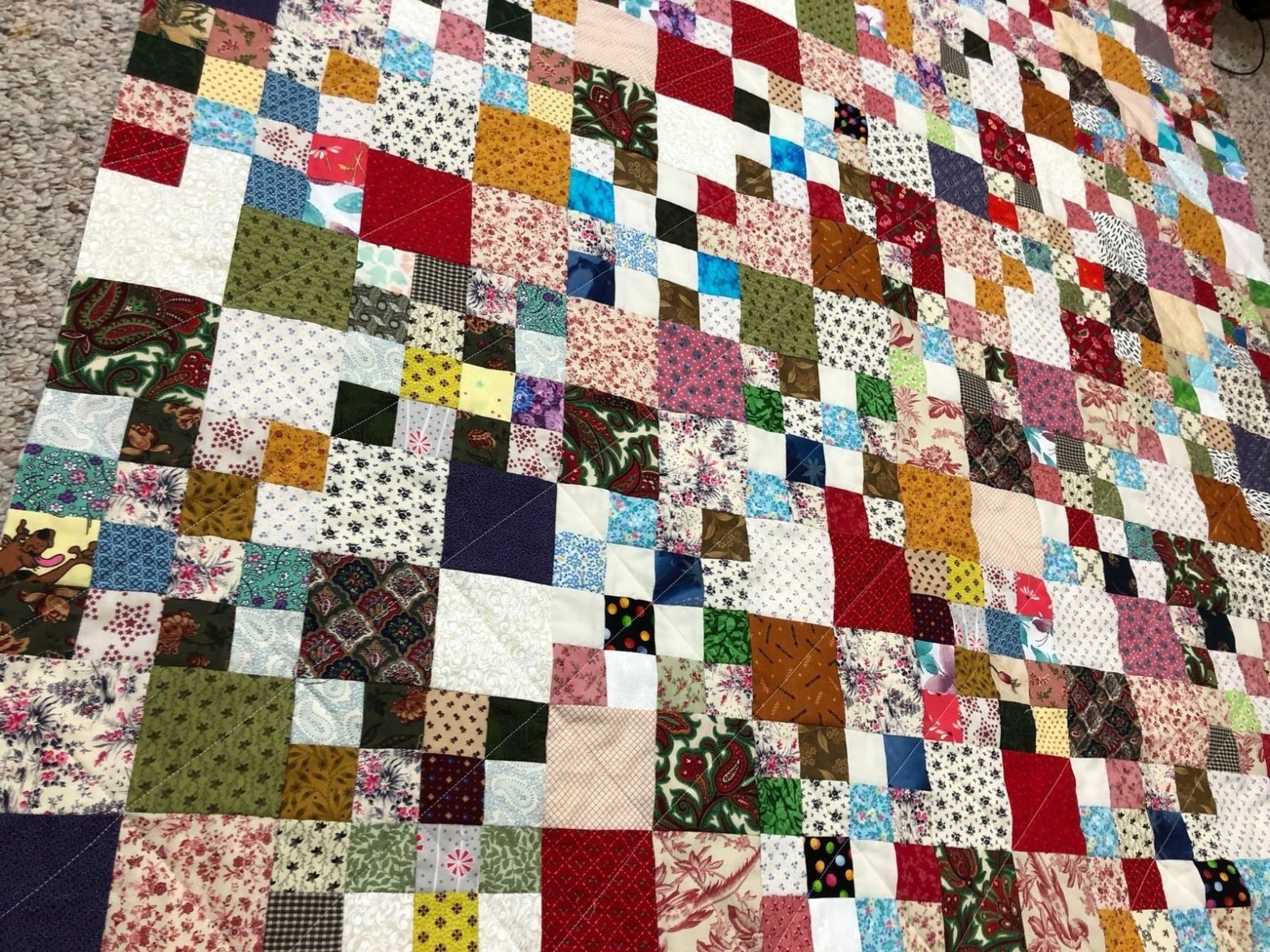
But focus on the detractions and distractions for too long, and it’s so much harder to get back to the main event. As with eating, little and often can be best. As with exercise, saying I’ll do 45 minutes a week, and actually doing it, is much better than saying you’ll run a marathon, and never quite getting round to it. Little and often becomes like cleaning your teeth, part of your day. Non-negotiable, because it’s routine. One short session is like one patch in a patchwork quilt. Tiny in itself and it won’t cover anything, but put them together and you’ll have an heirloom.
new retreat dates – seuraavat retriitit

